Memories: what the workspace knows
A memory is something the workspace knows and keeps applying. Your customers hate jargon. October is your busiest month. You tried Facebook ads in 2024 and it went badly. Your accountant needs everything by the 5th.
This is the difference between a workspace that has been used for a month and one set up yesterday. Agents read memories before they act, which is why the advice stops sounding like it came off a shelf.
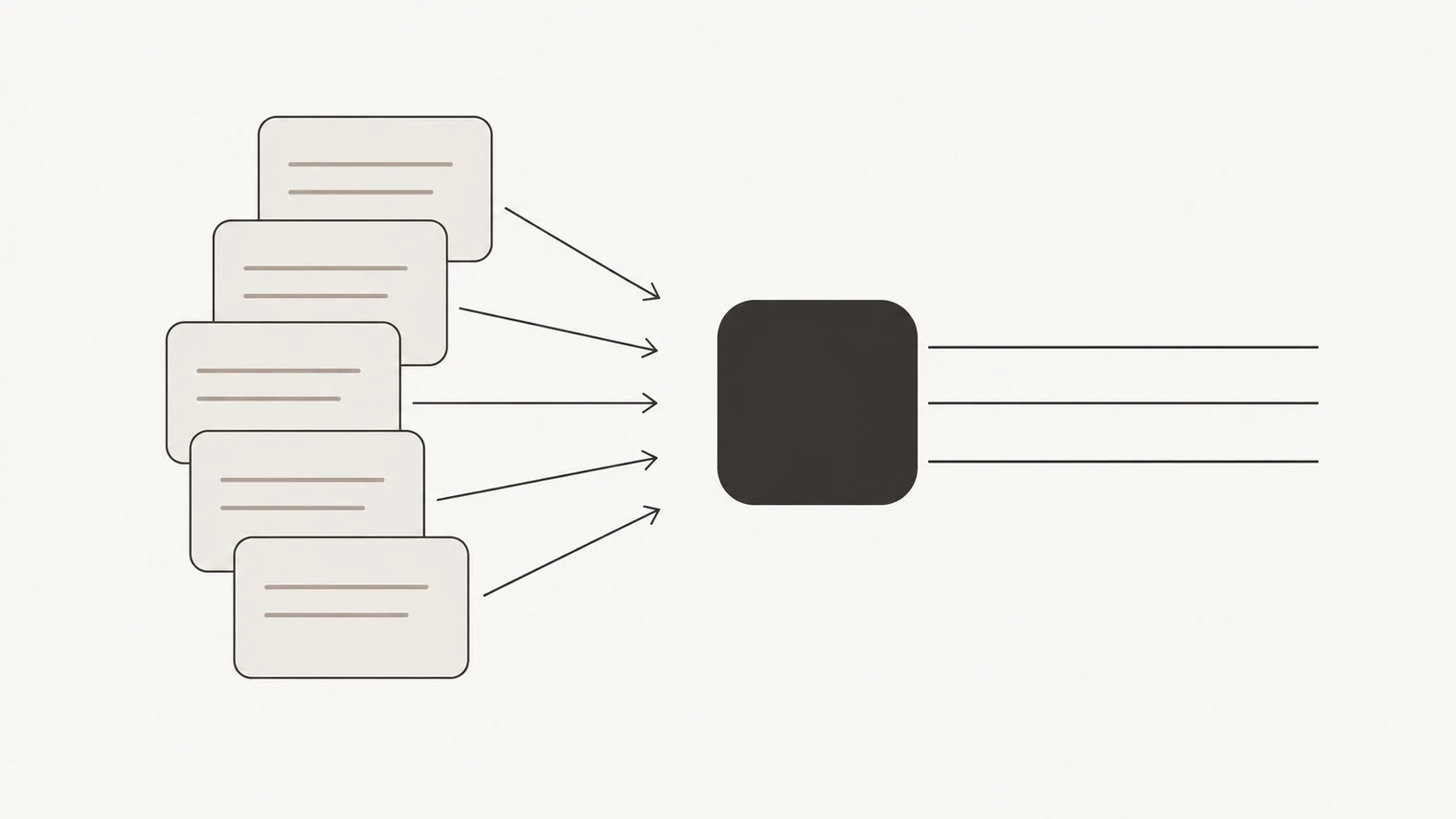
Where they come from
Mostly from talking. When something durable surfaces in conversation — a constraint, a preference, a fact about your market — the agent records it without being asked.
You can also just say remember this. The moment to do it is when you catch yourself explaining something for the second time. That feeling is the signal; it costs one sentence and you never explain it again.
Why they matter more than they look
An agent without memories gives you the average answer for a business like yours. That is the failure mode this product has to avoid, and it is not fixed by a better model — it is fixed by knowing things that are true about you and nobody else.
Memories are also what make agents useful across sessions. The conversation you had last Tuesday is gone; what was learned in it is not.
Keeping them true
Memories go stale, and a stale memory is worse than a missing one because it gets applied confidently. A pricing preference from three months ago, a customer segment you have stopped serving, a tool you no longer use — all of that keeps shaping work until somebody says otherwise.
Ask now and then what the workspace has on record about something: "what do you know about how we price?" You will occasionally find two memories that contradict each other, usually because a decision changed and only half of it was recorded. Correct it out loud; the agent updates the record.
Memory, instruction, or procedure
Three homes, easy to mix up.
A memory is a fact or preference that should shape everything — the world as it actually is.
An agent's instructions describe how one role behaves: what it owns, what it must always do, what it must never do unattended. That belongs on the agent, not in the workspace's general knowledge.
A playbook is a procedure for a recurring job — see tasks, projects and playbooks.
If you are correcting something and are not sure which you want, say what is wrong and add "make sure this doesn't happen again". The agent will propose a home for it, and reviewing and correcting work lays the four options out side by side.