What to delegate, and what to keep
The people who get the most out of BossForce are not the ones who delegate the most. They are the ones who delegate the right things first and expand from there.
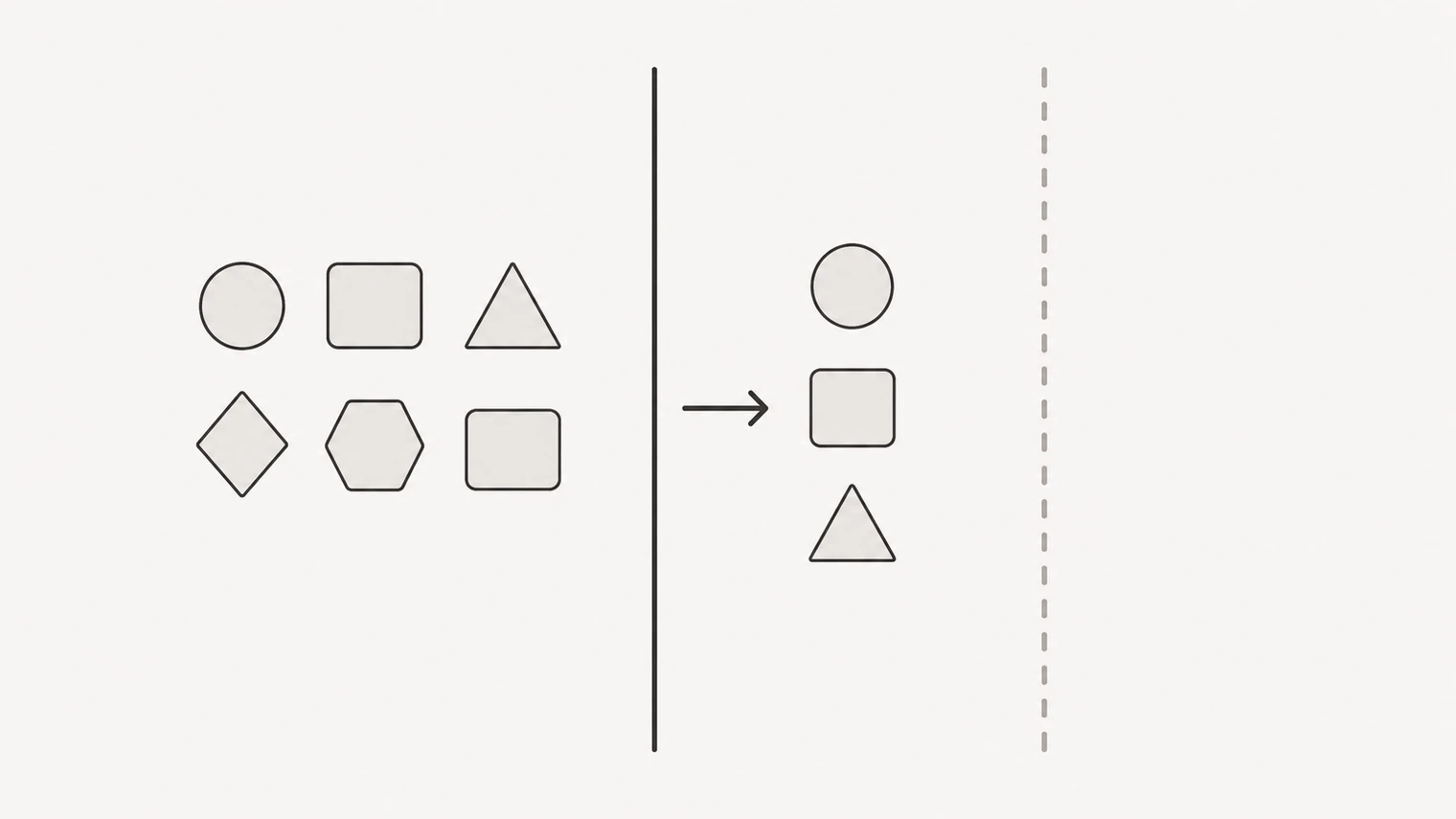
Hand over first
Work that repeats. The weekly report, the monthly reconciliation, the follow-up sequence, the content calendar. Agents are unbothered by the twentieth repetition, and repetition is exactly where humans get sloppy.
First drafts. A plan, a scan of the market, an outline, a set of options with trade-offs. Reacting to something concrete is far faster than starting from nothing, and a mediocre draft you can correct still saves the hour.
Collating and chasing. Pulling numbers together, comparing versions, tracking who has not replied, turning a mess of notes into something readable.
The thing you keep postponing. If it has been on your list for a month, you are not going to do it. That is the ideal first delegation — the alternative is not "you do it better", it is that it never gets done.
Keep, for now
Anything irreversible. Sending money, signing, deleting, publishing something that cannot be unpublished. Agents ask before these, and you should want them to.
Relationships that are yours. The hard conversation with a client, the negotiation, the apology. An agent can prepare all of it and should — but the sending is yours.
Decisions that are actually about values. What kind of business this is, who you refuse to work with, what you will not sell. An agent can lay out the options and be genuinely useful doing it. It cannot hold your position for you.
Anything you cannot check. If you have no way to tell whether the output is right, you are not delegating, you are hoping. Either build a way to check it, or keep it until you can.
Moving the line
Trust is built one class of work at a time, not all at once.
Start with an agent proposing and you approving. When a class of work has come back right several times in a row, say so and let it run unattended — "you can post these without asking; still check with me on anything about pricing". That boundary lives in the agent's instructions and can be moved back just as easily.
Expect to move it back sometimes. A boundary that turned out to be too loose is information, not a failure, and it is exactly what the first weeks are for.
Two things worth being careful about
Made-up specifics. Agents produce fluent text, and fluent text is convincing whether or not the number in it is real. Where a fact matters, check where it came from. This is the single most common way agent work goes wrong.
Access you did not think about. Connecting a tool gives an agent real reach into a real account. Connect what the work needs and no more — connecting tools and data and safety cover what each connection actually allows.
A reasonable first month
Week one, one repeating job, reviewed closely. Week two, that job unattended and a second one delegated. Week three, the first thing that touches the outside world — an email, a post — still approved by you each time. Week four, look at what you approved without changing anything, and stop approving that.
That is roughly the pace at which the workspace becomes something you rely on instead of something you supervise.