Your first real piece of work
Pick something small, real and slightly annoying. A competitor scan. A month of social posts. The invoice chase you keep postponing. Something you can judge in five minutes when it comes back, and would genuinely rather not do yourself.
Avoid, for the first one, anything that would embarrass you if it went out wrong. Send-to-customer work comes after you have seen how this agent writes.
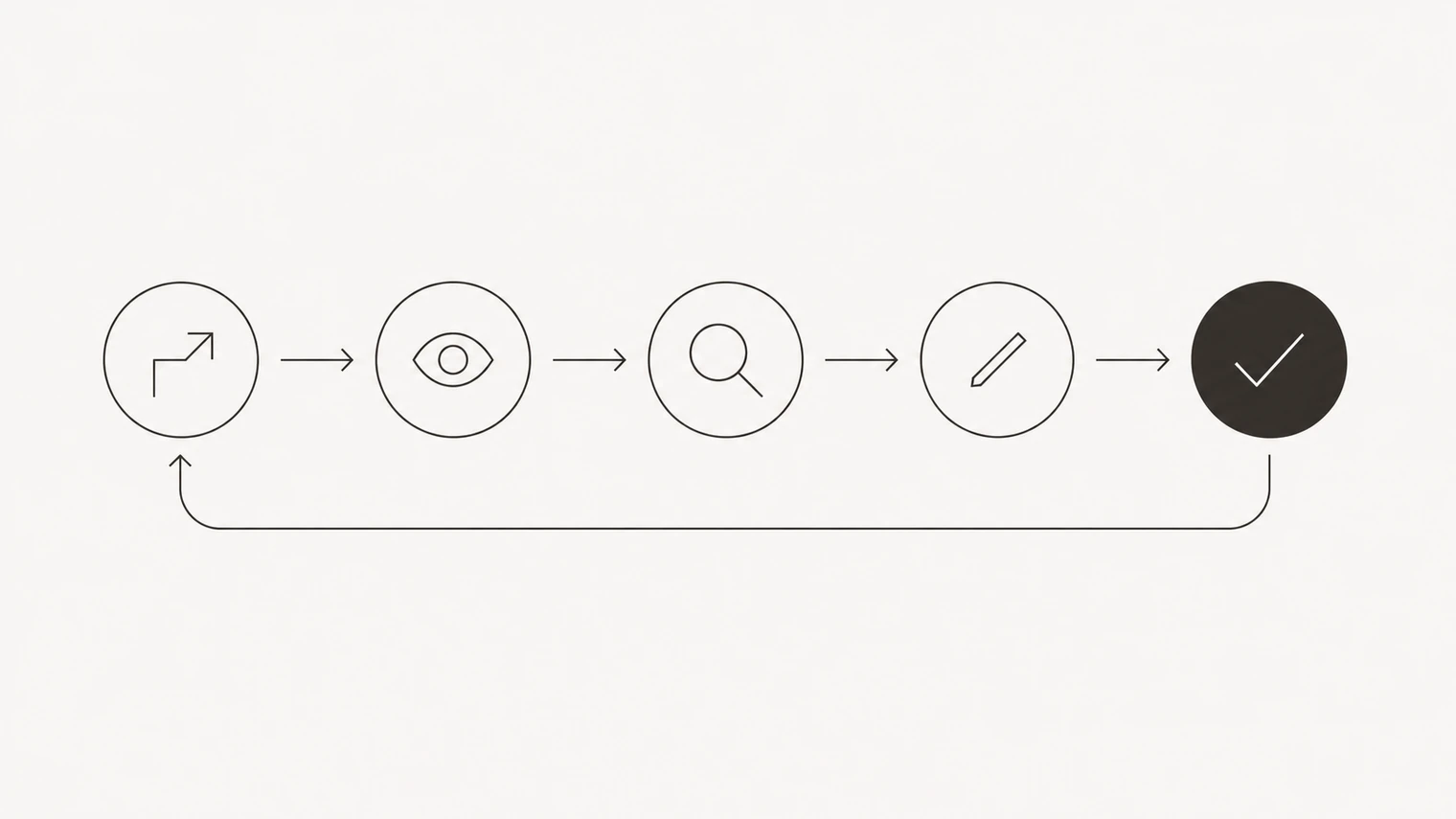
Ask
Say what you want in the chat, in ordinary language, and include three things: the outcome, who it is for, and what "good" looks like.
Draft four LinkedIn posts for next week about our new pricing. Audience is small agency owners. Keep it concrete — numbers, no hype — and match the tone of the last post in Files.
The agent will either start, or ask you one or two questions first. Questions at this stage are a good sign; they are cheaper than a wrong draft.
Watch what it does
While it works, you see the steps: the files it reads, the tools it calls, the thinking as it goes. You can stop it at any point if it is heading somewhere wrong — and if it is, that is usually a briefing problem worth fixing before it burns another five minutes.
Something else happens quietly here. Real work usually becomes a task, so it has a place to live, a status, and somewhere for the result to attach. The chat is the conversation; the task is the record.
Read the result
Open what came back and judge it as a deliverable, not as a chat message. Is it usable? What would you change? Is anything in it made up?
That last question matters. Agents work from your files, your connected tools and their own knowledge, and the third of those has no way of knowing your business. If a number appears that you did not supply, ask where it came from.
Say what was wrong
This is the step people skip, and it is the one that compounds. Vague praise teaches nothing; "not quite, make it shorter" teaches almost nothing. Say which part failed and why:
Second post is fine. The others read like a press release — we do not talk about ourselves in the third person. And drop the emoji.
The agent fixes the draft. But you also have a choice about how durable that correction should be, and reviewing and correcting work is entirely about making the right one — a one-off fix, a remembered preference, a rewritten instruction, or a process.
Accept it, and notice what is left over
When the work is good, say so and let the agent close it out. The result lands with the task, the activity log records what happened, and anything worth keeping — a preference you expressed, a fact about your market — becomes a memory.
If this job is one you will want again next week, that is a playbook. Ask for one while the work is fresh; the agent will write the procedure from what it just did.
Then let it run without you
Once you have accepted one piece of work, turn on the heartbeat — the schedule on which agents check the workspace and get on with what is next while you are elsewhere. It is the difference between a very good assistant and a team that keeps moving.